Experts say you should never ignore a grinding sound coming from your washing machine (here’s why)
Imagine this: you’re having a productive laundry day, feeling good as the washing machine hums away. But then, out of nowhere, you hear it, a grinding noise that’s anything but normal. It’s not just a quirky sound to shrug off; it’s a warning sign your washing machine is crying for help.
Experts agree: ignoring that sound could spell disaster. What starts as an odd noise could quickly escalate into costly repairs…or worse, a total breakdown that leaves you with a pile of dirty laundry and a hefty replacement bill.
Don’t wait until it happens to you. Keep reading to understand what causes that dreaded grinding noise and how to act fast before it turns into a washing machine catastrophe.
What Are The Dangers Of Ignoring Grinding Noises? (Why Procrastination Doesn’t Pay)

Let’s face it, when your washing machine starts making a noise reminiscent of a building site, it’s tempting to turn up the TV volume and hope the problem magically disappears. However, ignoring that grinding sound is like ignoring a check engine light on your car, it’s only going to lead to bigger, more expensive issues down the road. These include;
- The Problem Gets Bigger
What starts as a minor annoyance can quickly escalate into a full blown disaster. For instance, if the grinding noise is due to worn out bearings, continuing to use the machine can cause further damage to the drum and shaft. As more bearings break down or fall out, the washer may eventually stop working altogether. - It Can Cause Safety Hazards
A malfunctioning washing machine isn’t just bad for your laundry, it’s potentially hazardous to your home. Components like the drive belt or motor can overheat, posing a fire risk. Additionally, a machine that’s off balance due to internal issues can vibrate excessively, potentially walking across the floor and causing accidents. - Extra Expense
Delaying repairs can turn a relatively inexpensive fix into a costly replacement. For example, addressing a minor pump blockage early on is far more budget friendly than replacing a burnt out motor or purchasing a new washing machine because the old one was beyond repair. - Laundry Problems
Let’s not forget the immediate inconvenience, a malfunctioning washer can leave your clothes sopping wet, still dirty, or even damaged. Plus, the longer you wait, the larger your mountain of dirty laundry grows, a nightmare for anyone who needs clean socks.
Ignoring a grinding noise from your washing machine is a gamble that’s really not worth taking. Dealing with the problem quickly can save you money, prevent potential hazards, and keep your laundry routine running smoothly.
What Could Be Causing That Grinding Noise?
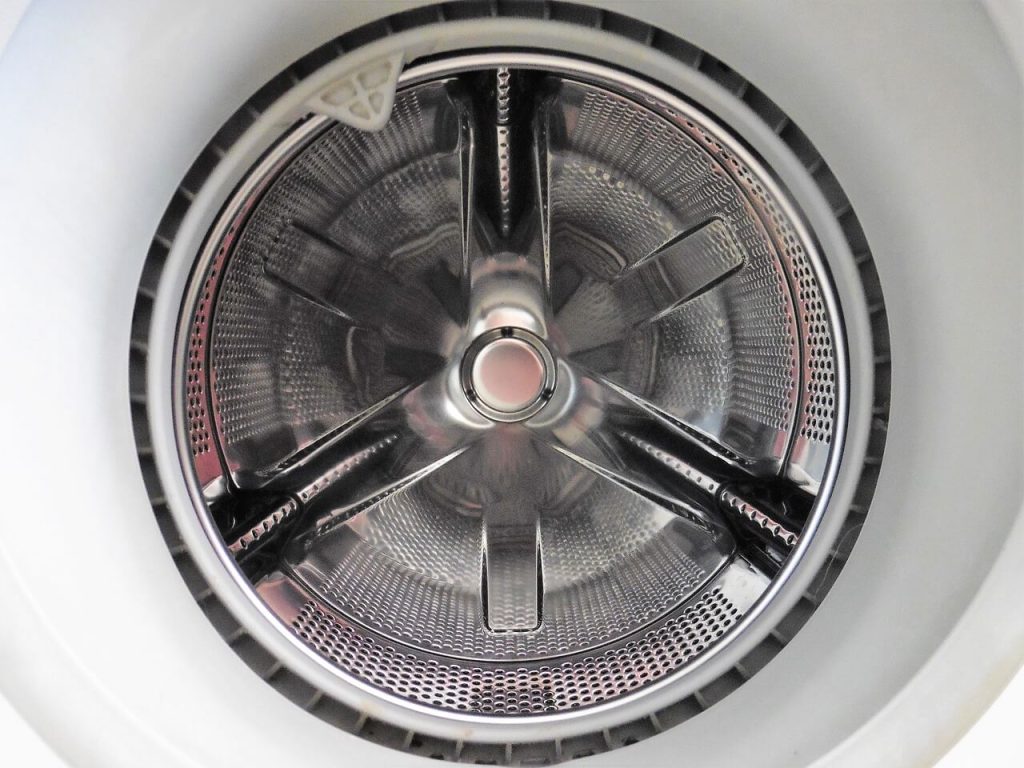
Before you channel your inner engineer and start poking around, a word of caution: unplug your washing machine first. We don’t want any shocking surprises! Now, here are seven potential reasons your washer might be sounding like a blender full of bolts:
1. Something Stuck In The Seal Or Drum
Let’s start with the most common (and easiest-to-fix) culprit. Tiny objects like coins, screws, or even a rogue bra wire can sneak into your washer’s drum and cause chaos. Sometimes, even a stray sock or small piece of clothing can get trapped between the door seal and drum, creating that horrible grinding noise.
How To Fix it:
You can check if there is something trapped between the door seal and the drum by doing the following;
- Pry the door seal back gently with a screwdriver.
- Shine a torch (or your phone on torch mode) to spot any hidden items.
- Use a wire coat hanger to fish out the offending object. If it’s something small, a vacuum can help. (Yes, really!)
- Once clear, refit the door seal properly. Leaks are no fun.
Inspect the drum for any objects poking through the holes. If you find something, remove it carefully. Congrats! You’re one step closer to laundry utopia.
2. Drive Belt Or Drive Pulley
Ah, the drive belt, the unsung hero that connects your washer’s motor to the drum. Over time, this belt can stretch, slip, or even shred. The drive pulley, which keeps the belt in place, can also wear down or break.
How To Fix it:
If you’re handy with tools, you might replace these parts yourself. If not, this is another job for an expert. (Better safe than stuck with a belt halfway installed!)
3. Pump Blockage
If the drum and seal are clear, and the drive belt and pulley are fine, the pump might be to blame. A blocked pump can stop water from draining and may cause that dreadful grinding noise.
How To Fix it:
To inspect the pump you’ll need to;
- Remove the washer’s lower front panel.
- Unscrew the pump filter cap and check for blockages.
- Spin the impeller. If it doesn’t spin freely or looks damaged, the pump is likely the problem.
If replacing the pump feels like a task for an advanced DIY wizard, it’s okay to call in a professional.
4. Worn Drum Bearing
When the drum bearing starts to go, it’ll let you know with a sound like gravel tumbling inside your washer. This part supports the drum’s rotation, so when it’s worn, everything gets noisy.
How To Fix it:
This one is definitely a job for the professionals. Attempting to replace the bearing yourself can be as risky as ignoring the noise altogether.
5. Agitator Dogs (Top Loaders Only)
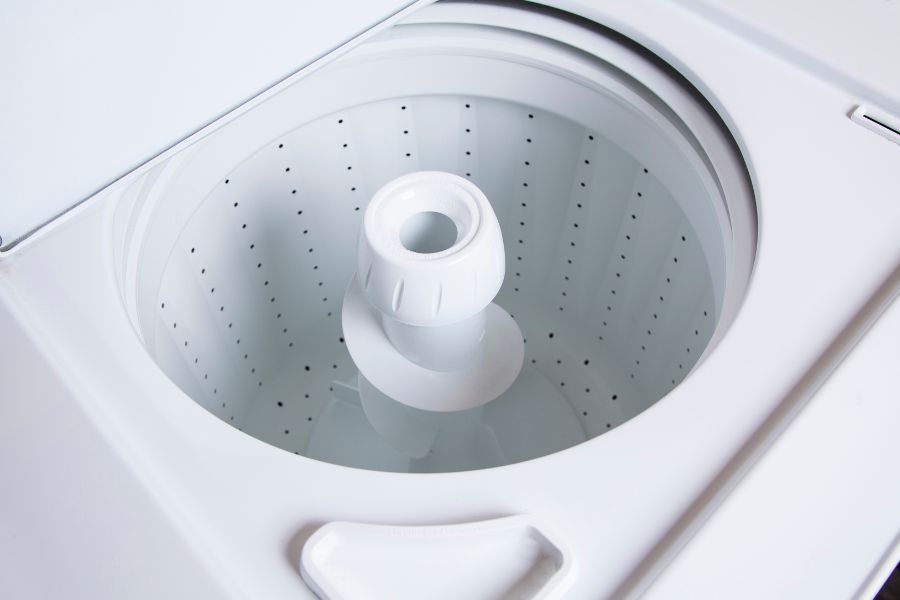
If you own a top loading washer, the grinding noise might be coming from worn out agitator dogs. These little parts keep your washer’s agitator moving properly. When they wear out, you get grinding, rubbing, and a lot of frustration.
How To Fix it:
Replacing agitator dogs isn’t too tricky if you’ve got a knack for tinkering. If not, a repair technician can have your agitator good as new in no time.
6. The Clutch (Also Top Loaders Only)
The clutch connects your washer’s transmission to the tub, helping it spin like it’s supposed to. A worn out clutch can turn your washer’s normal spin into a noisy grind fest.
How To Fix it:
Unless you’re comfortable dismantling your washer, this one’s best left to a pro. (Let’s not make things worse, okay?)
7. U-Joint Failure (Top Loaders Only)
The U-joint helps your washer’s tub spin and is one of the priciest parts to replace. If it fails, the grinding sound might be the least of your worries, repairs can cost more than a new washer!
How To Fix it:
Replacing a U-joint often involves dismantling most of the machine. If this is your washer’s problem, you might want to consider upgrading to a new appliance.
How To Pinpoint The Problem
Diagnosing the source of the grinding noise can be tricky since many issues sound similar. Here’s what we recommend:
- Start with the easy stuff: check the drum, seal, and pump.
- If the problem isn’t obvious, call an expert. They have the tools and experience to pinpoint the issue and fix it safely.
Final Thoughts
Ignoring a grinding sound from your washing machine is like ignoring a smoke alarm, it’s only going to lead to bigger problems. Whether it’s a simple fix or a major repair, addressing the issue early can save you time, money, and a lot of frustration.
So roll up your sleeves, grab your toolbox (or phone an engineer), and show that noisy washer who’s boss! Oh, and share this with anyone you think needs to hear it.
SEE ALSO: Throw Away Your Iron! This Tumble Dryer Trick Will Change Your Life
Also, follow us on Pinterest ...